Cold weather can present a range of risks to charitable and community organisations. Managing these risks effectively during the winter months is essential to protect buildings, staff, volunteers and visitors.
By taking proactive steps to prepare your premises for winter conditions, you can reduce the likelihood of property damage, operational disruption and liability claims, helping ensure your Charity Insurance remains effective while maintaining a safe and compliant working environment throughout the winter season.
Slips, Trips and Falls
Icy and snowy conditions significantly increase the risk of slips and falls around premises. Many charities and community organisations have car parks, pathways and entrance areas that require regular attention:
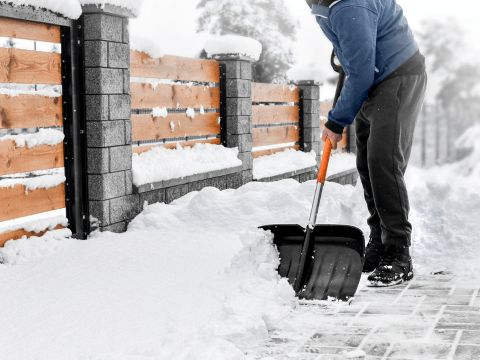
- Clear snow and ice from paths, steps and car parks as early as possible whilst taking care not to block drains when shovelling snow.
- Use grit or salt to treat surfaces before freezing conditions develop.
- Re-check external areas throughout the day, particularly during prolonged cold spells.
- Avoid washing down icy areas, as water can refreeze and create black ice.
Good housekeeping and clear access routes are key to preventing accidents and potential liability claims. Further guidance on slips, trips and maintaining safe pathways is available on the HSE website and gov.uk.
Protecting Buildings and Pipework
Frozen or burst pipes are a common cause of damage to buildings and can result in costly repairs and business interruption:
- Ensure exposed or vulnerable pipework is adequately insulated.
- Keep heating systems maintained and serviced ahead of winter.
- Maintain background heating in areas that are rarely used, such as storage rooms or ancillary spaces.
- Know where stop taps are located so water supplies can be isolated quickly if required.
Regular inspections during cold weather can help identify issues early and minimise damage.
Heating and Temporary Equipment
During colder periods, additional heating may sometimes be required, but it’s important this is done safely:
- Avoid portable fuel-burning heaters, which pose fire and ventilation risks.
- If temporary heating is needed, use suitable electric or oil-filled heaters with thermostatic controls.
- Ensure heaters are kept clear of combustible materials and never left unattended.
- Review fire risk assessments if any temporary heating is introduced.
Unsafe heating arrangements are a common cause of winter fire losses.
Staff & Volunteer Safety and Access
Cold weather can affect staff movement in and around premises:
- Ensure external lighting is working effectively during shorter daylight hours.
- Provide staff with appropriate footwear or guidance when working outdoors.
- Encourage reporting of icy or unsafe areas so they can be addressed promptly.
Maintaining safe access helps protect staff and supports day-to-day operations.
Business Continuity and Winter Planning
Severe weather can disrupt deliveries, utilities and access to premises. Planning ahead can reduce the impact:
- Review business continuity plans to account for severe weather disruption.
- Keep emergency contact details for contractors and utility providers up to date.
- Check roofs, gutters and drainage systems for blockages that could worsen during freezing and thawing.
Preparation helps ensure premises remain operational and compliant throughout winter.
This guidance is intended for general information and educational purposes only and should not be considered a substitute for professional or legal advice.
About WRS Insurance Brokers
At WRS Insurance Brokers, we specialise in Charity Insurance and Church Insurance, with over 40 years’ experience protecting organisations across the sector.
WRS is part of the Benefact Group, a charity-owned, international family of financial services companies that gives all available profits to charity and good causes.